
Shoreline condition affects lake property value because it directly influences how usable, attractive, safe, and expensive the property feels to buyers. A clean, stable, accessible shoreline can support stronger value because it makes the lake easier to enjoy. A shoreline with erosion, drainage problems, overgrowth, steep access, failing walls, or repair concerns can lower buyer confidence and reduce what the market is willing to pay.
For lakefront homeowners, the shoreline is not just a boundary line. It is one of the main features buyers are evaluating when they look at the property. The house may be beautiful, but if the shoreline looks neglected or difficult to maintain, buyers may start subtracting future costs in their mind before they ever make an offer.
When buyers visit a lakefront home, they usually do not look only at the kitchen, bedrooms, and square footage. They look toward the water.
They want to know what it feels like to live there.
That first impression matters.
A well-kept shoreline can make the entire property feel more valuable. It suggests care, usability, and pride of ownership. A rough shoreline can create the opposite feeling. Even if the house is in good condition, buyers may worry that the outside of the property will require work.
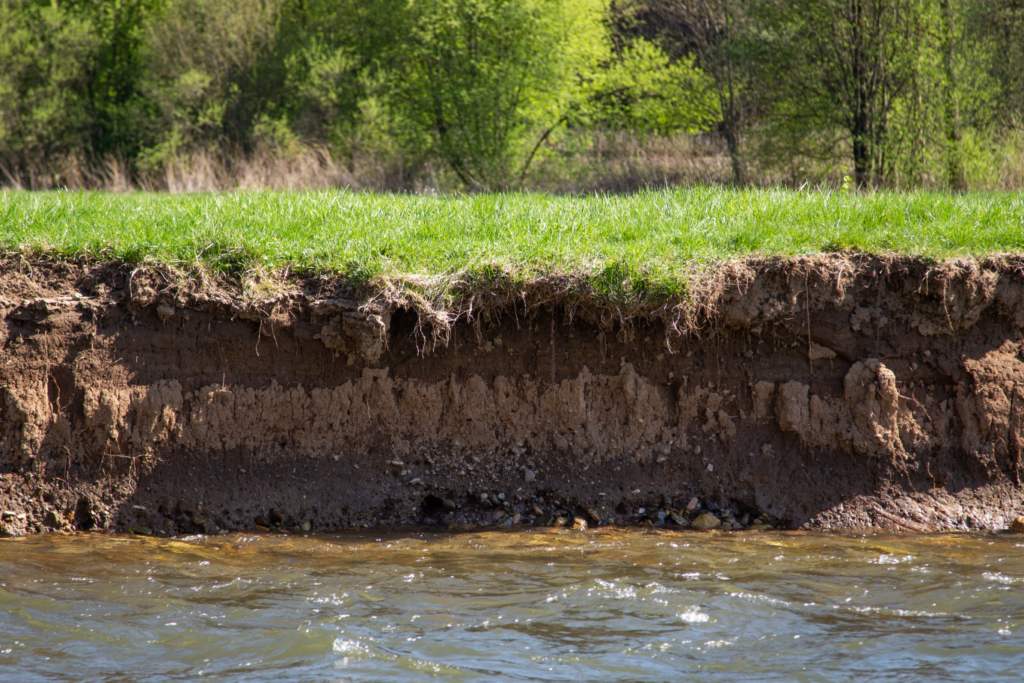
Erosion is one of the biggest shoreline concerns because it can make buyers think about cost, maintenance, and long-term risk.
A little uneven ground may not scare buyers away. But visible washout, exposed roots, collapsing banks, or soil loss near the water can raise serious questions.
Buyers may wonder:
Even when erosion is fixable, it can still affect value because buyers may discount the property for the work they believe is coming.
This is where shoreline condition becomes more than appearance. It becomes a financial concern.
A stable shoreline can help buyers feel more comfortable with the property.
This does not mean the shoreline has to look perfect or overly landscaped. Many lake buyers actually prefer a natural shoreline if it is clean, stable, and usable. What matters is whether the shoreline appears maintained and functional.
A stable shoreline may include natural vegetation, riprap, retaining walls, seawalls, gentle banks, or other forms of protection depending on the property and local rules. The specific method is less important than the result: the shoreline should feel secure, accessible, and reasonably maintained.
When buyers feel confident that the shoreline is not going to become a major expense, they are more likely to focus on the lifestyle benefits of the home.
A lakefront property loses some of its appeal if the lake is hard to reach.
Shoreline condition plays a major role in access. A home may have lake frontage, but if the bank is steep, slippery, washed out, overgrown, or unsafe, buyers may feel like the property does not offer the lake lifestyle they expected.
Good shoreline access may include:
Poor access can reduce appeal, especially for buyers who want boating, fishing, swimming, kayaking, or family use.
A buyer may love the view from the house, but if they cannot comfortably get to the water, that can affect what they are willing to pay.
Overgrown shoreline does not always mean the property has a serious problem, but it can make the property feel less usable.
Heavy brush, unmanaged trees, vines, weeds, and blocked pathways can make buyers feel disconnected from the lake. Instead of seeing the water as an asset, they may see the shoreline as work.
Overgrowth can also hide other concerns. Buyers may wonder whether there is erosion underneath, drainage trouble, pests, or neglected maintenance.
This does not mean every lakefront property should be cleared aggressively. In some areas, natural shoreline vegetation may be beneficial or required. But from a market perspective, the shoreline should look intentional, maintained, and usable.
A natural shoreline can be beautiful. A neglected shoreline can feel expensive.

Drainage is easy to overlook until it becomes visible.
Standing water, muddy areas, washed-out paths, soggy ground, or runoff cutting through the yard can all affect how buyers view the property. Around a lakefront home, drainage issues may feel especially concerning because buyers already know water is part of the setting.
Poor drainage can raise concerns about:
Even if the issue is manageable, the appearance of poor drainage can reduce buyer confidence. A buyer may not know exactly what the problem costs to fix, but uncertainty alone can influence value.
A retaining wall, seawall, or other shoreline structure can support value when it is doing its job well. It can make the shoreline feel protected, usable, and maintained.
But condition matters.
A failing wall can become a major negative. Leaning sections, cracks, separation, washout behind the wall, missing stones, or visible deterioration may make buyers think about repair costs immediately.
In some cases, a shoreline structure that was meant to protect value can hurt value if it looks neglected or near failure.
For sellers, this is important. A wall or shoreline improvement should not simply be assumed to add value. The question is whether it is functional, maintained, and viewed positively by the market.

Many lake buyers are thinking about more than themselves. They may be thinking about children, grandchildren, older relatives, guests, pets, and family gatherings.
A shoreline that feels unsafe can affect buyer interest.
Steep banks, slippery slopes, loose steps, unstable ground, broken walkways, or sudden drop-offs may concern buyers who want a family-friendly lake property.
A safe, accessible shoreline helps buyers imagine using the property. An unsafe shoreline makes them imagine liability, repairs, or limits on how they can enjoy the lake.
This does not always show up as a simple dollar adjustment, but it can influence demand. And demand is part of value.
Shoreline condition does not only affect access. It also affects the view.
A clean, maintained shoreline can frame the lake and make the property feel more inviting. A cluttered or neglected shoreline can distract from the view, even if the water itself is beautiful.
Buyers respond emotionally to lakefront property. They notice whether the view feels open, peaceful, and enjoyable. If the shoreline is messy, damaged, or blocked, it can weaken that emotional response.
This is especially important when the main selling point of the property is the lake experience. A strong view should be supported by a shoreline that helps the property show well.
Not every buyer is willing to take on shoreline repairs.
Some buyers are comfortable with projects. Others want a lake home they can enjoy immediately. If the shoreline looks like it needs work, the property may appeal to fewer buyers.
A smaller buyer pool can affect value.
This is different from saying a property has no value. A lakefront property with shoreline issues may still be desirable. But the market may respond differently if buyers believe the property requires extra money, extra approvals, or extra effort after closing.
The more uncertainty the shoreline creates, the more cautious buyers may become.
One reason shoreline condition matters is that repairs may not be as simple as fixing a fence or painting a room.
Depending on the lake, location, rules, and type of work needed, shoreline improvements may involve permits, restrictions, contractors, engineering, environmental considerations, or approval from governing authorities.
I cannot verify which rules apply to a specific property without reviewing the property details and local requirements. But from a valuation standpoint, the possibility of complicated repairs can affect buyer perception.
Buyers may not know the exact process, but they often understand that shoreline work can be more involved than ordinary yard maintenance.
That uncertainty can influence what they are willing to pay.

Not always.
This is where many homeowners need to be careful. Some shoreline cleanup or minor maintenance may help the property show better. But major shoreline work should be considered carefully before spending money.
Before making expensive improvements, homeowners should ask:
In some cases, correcting a shoreline issue before listing may be smart. In other cases, the better move may be to understand the value as-is and price the property accordingly.
A pre-listing appraisal can help the owner make that decision with more clarity.
Not every shoreline improvement has to be major.
Sometimes simple maintenance can improve the way a property feels. Clearing safe pathways, removing debris, improving visibility, repairing small trip hazards, cleaning around the dock, trimming carefully, and making the lake access easier to understand can all help buyers see the property’s potential.
The goal is not to make the shoreline look artificial. The goal is to make it look cared for.
A buyer should be able to walk outside and understand how the property connects to the lake. If they have to fight through brush, guess where the access is, or worry about footing, the property may not show as well as it should.

An appraiser does not simply ask, “Is this home on the lake?”
The better question is, “How does this lakefront property compare to other lakefront properties buyers have chosen?”
That includes looking at the shoreline and considering how it affects marketability. A property with a stable, usable shoreline may compare differently than one with erosion, steep banks, overgrowth, or limited access.
The appraiser may consider how similar properties sold, what features supported their value, and whether shoreline differences require adjustment in the analysis.
This is why lakefront appraisals require careful comparison. A home with excellent shoreline usability should not automatically be treated the same as a property where the shoreline limits the lake experience.
Shoreline condition affects value because it touches several things buyers care about at once: beauty, access, safety, maintenance, cost, and confidence.
A strong shoreline helps the property feel usable and enjoyable. A problem shoreline can make buyers hesitate, even when the home itself is appealing.
For lakefront homeowners, this is one of the most important areas to understand before listing or making improvements.
Carolina Appraisal Group helps property owners evaluate lakefront homes with the full property in mind, including the house, land, shoreline, water access, dock features, and comparable sales. If you are wondering how your shoreline condition may affect your property value, an appraisal can give you a clearer answer before you make your next move.
Disclaimer:
All information provided on this website is for general informational purposes only and does not constitute legal, financial, or professional advice. Carolina Appraisal Group does not guarantee the accuracy, completeness, or reliability of any information provided. Appraisals and valuations are subject to change based on market conditions and specific property factors. Clients should consult with one of our qualified professionals before making decisions based on the information provided herein.Use of this website and submission of information does not establish a client relationship. All services are subject to formal engagement agreements and compliance with applicable federal, state, and local laws.
© 2025 Carolina Appraisal Group™. All rights reserved. | Privacy Policy | Terms of Service
Orangeburg, SC | Serving the Eastern Coastal Region & Beyond
Phone: (803) 534-5554 | Email: info@carolinaappraisalgroup.com
WEIC One Client Management System & Website Provided by 🚀 Weatherford Internet Consulting


